
Advertisement
There is a noticeable shift taking place in how later-life living is being approached – moving away from the traditional idea of retirement villages as static, age-defined spaces, and towards something more flexible, lifestyle-oriented, and considered.
Oude Post Retirement Village, within Darling Green Country Estate, forms part of this evolution, where lifestyle and long-term living are equally prioritised. Located in the Swartland town of Darling, about an hour from Cape Town, the development is less about withdrawal from urban life and more about finding a better balance between convenience and quality of life.
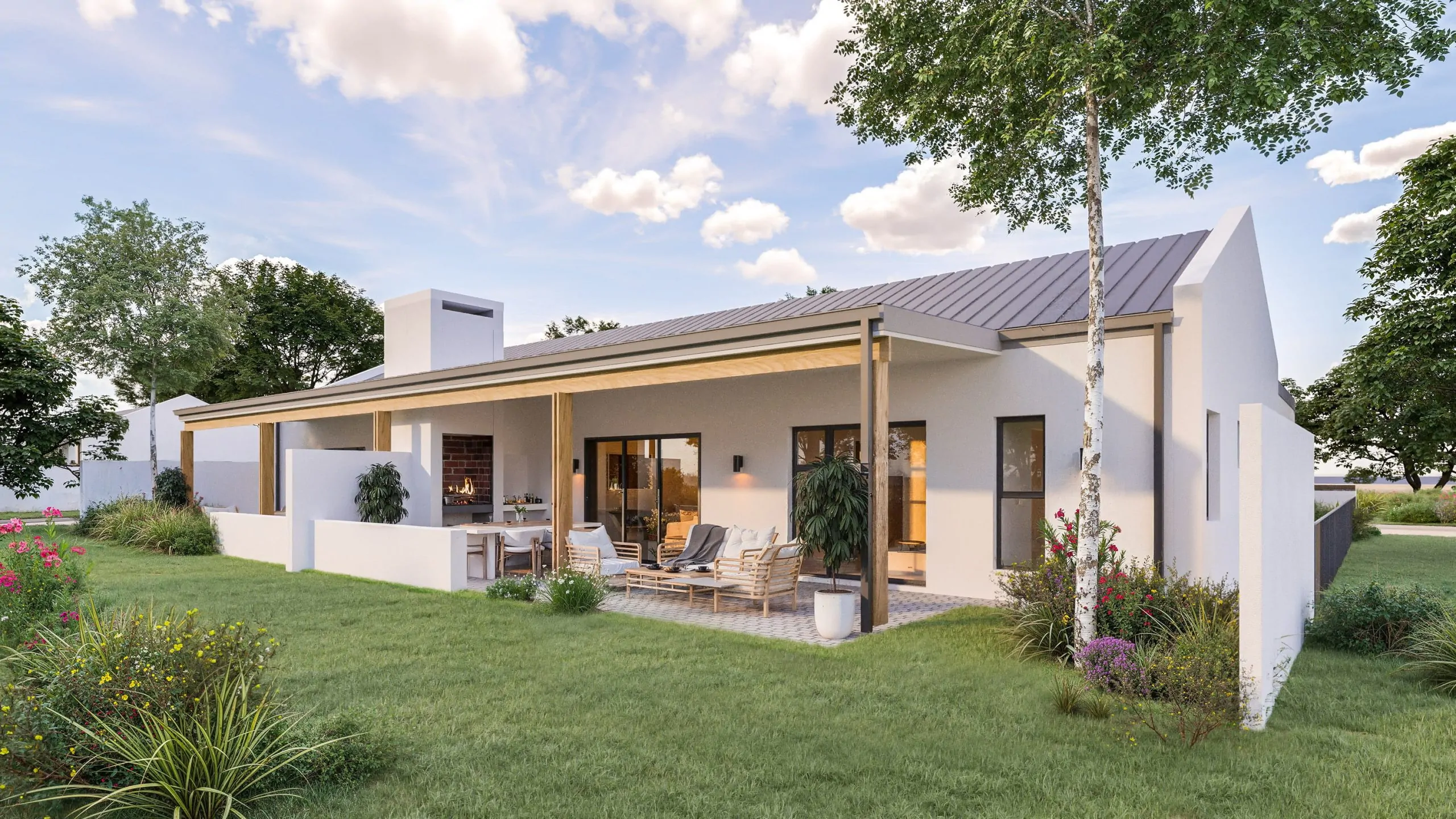
Darling itself has become quietly attractive to those looking for proximity without pressure; a place where essential services remain accessible, but the pace is dictated less by urgency and more by the peace of being surrounded by nature. This balance naturally supports a more relaxed, fulfilling lifestyle rooted in community and connection. Within the estate, residents will find a haven thoughtfully designed to cater to their every need. The Oude Post Village features 206 homes (Oude Post Cottages), ranging from one to three bedrooms, offering comfort and flexibility for a variety of lifestyle preferences.
At its core is a central TOTALCARE facility, providing 96 life rights for sale and 20 frail care beds (Oude Post Care), ensuring that residents have access t0 exceptional care and support. The estate’s design emphasises accessibility, with wheelchair-friendly homes and all facilities conveniently located within walking distance, making day-to-day life effortless. Additionally, residents of Oude Post Cottages will have access to TOTALCARE’s professional care services, with a range of tailored product offerings.
The physical planning reinforces this. Homes are single-level, circulation is straightforward, and distances between private residences and shared facilities are manageable on foot. These design choices are intentional, focusing on ease of movement, accessibility, and everyday comfort, all of which contribute to a more enjoyable and stress-free lifestyle. The emphasis is on reducing friction in daily life rather than introducing spectacle.
What is equally notable is the degree of practical transparency built into the model. Levies are structured at approximately R30 per square metre for cottage units, with additional care services contracted directly through TOTALCARE. Utilities such as electricity, water, and fibre are billed separately. This approach allows residents to manage their monthly costs more clearly, supporting financial peace of mind and a more predictable lifestyle. The development also accommodates two distinct forms of tenure: life rights and sectional title.
Life rights, long established in South Africa’s retirement sector, prioritise security of tenure without the responsibilities of ownership, no transfer duty, no obligation for structural maintenance, and predictable occupancy for life. Sectional title, by contrast, offers sectional ownership, with the attendant benefits and responsibilities: capital growth, transferability, and estate planning considerations.
Offering both options within a single development allows greater flexibility, catering to a range of lifestyle preferences and long-term goals. Even the smaller policies reflect a degree of thoughtfulness. Pet ownership is allowed, which is frequently restricted in similar developments, and is permitted within defined parameters.
This recognises the important role that companionship plays in overall wellbeing, contributing to a more complete and fulfilling lifestyle. Beyond the village itself, Darling offers a landscape that is less curated than it is simply there: wheat fields that shift with the seasons, spring wildflowers that arrive without ceremony, and an agricultural rhythm that underpins daily life.
Advertisement
Cultural infrastructure exists, but it is modest and locally embedded. Evita se Perron is a notable example, with Pieter-Dirk Uys lending both presence and continuity to the town’s cultural identity. Together, these elements create a lifestyle that is both enriching and grounded in the character of the West Coast.
Sustainability measures within the broader estate, including solar integration and water-conscious landscaping, are worth noting, not as abstract environmental gestures, but as practical responses to South Africa’s energy and water realities. For residents, this translates into greater resilience, efficiency, and long-term cost predictability, all of which support a more secure and sustainable way of living. Overall, what emerges is a development that goes beyond the traditional expectations often associated with retirement living.
Oude Post Village is not trying to replicate a resort or retreat into nostalgia. Instead, it presents a framework: one that recognises longevity, changing needs, and the importance of maintaining independence and choice, while still offering a lifestyle that is calm, connected, and considered. For an informed buyer, that distinction matters. This is not only about structure and support, but about creating a lifestyle where residents can continue to live meaningfully, comfortably, and with a strong sense of belonging.
