
Advertisement
VERY FEW NAMES GRAVITATE INTO THE ENGLISH LEXICON (EVEN IN SLANG TERMS) TO BE USED AS ADJECTIVES, ADVERBS OR VERBS.
The immediate examples which spring to mind, are those such as Hoover being used as a verb when vacuuming a carpet, much more recently ‘dench’ when something is considered to be ‘cool’, or have been well played (inspired by the multi award winning actress Dame Judy Dench), and from a more distant era – ritzy, meaning top class in an expensive way.
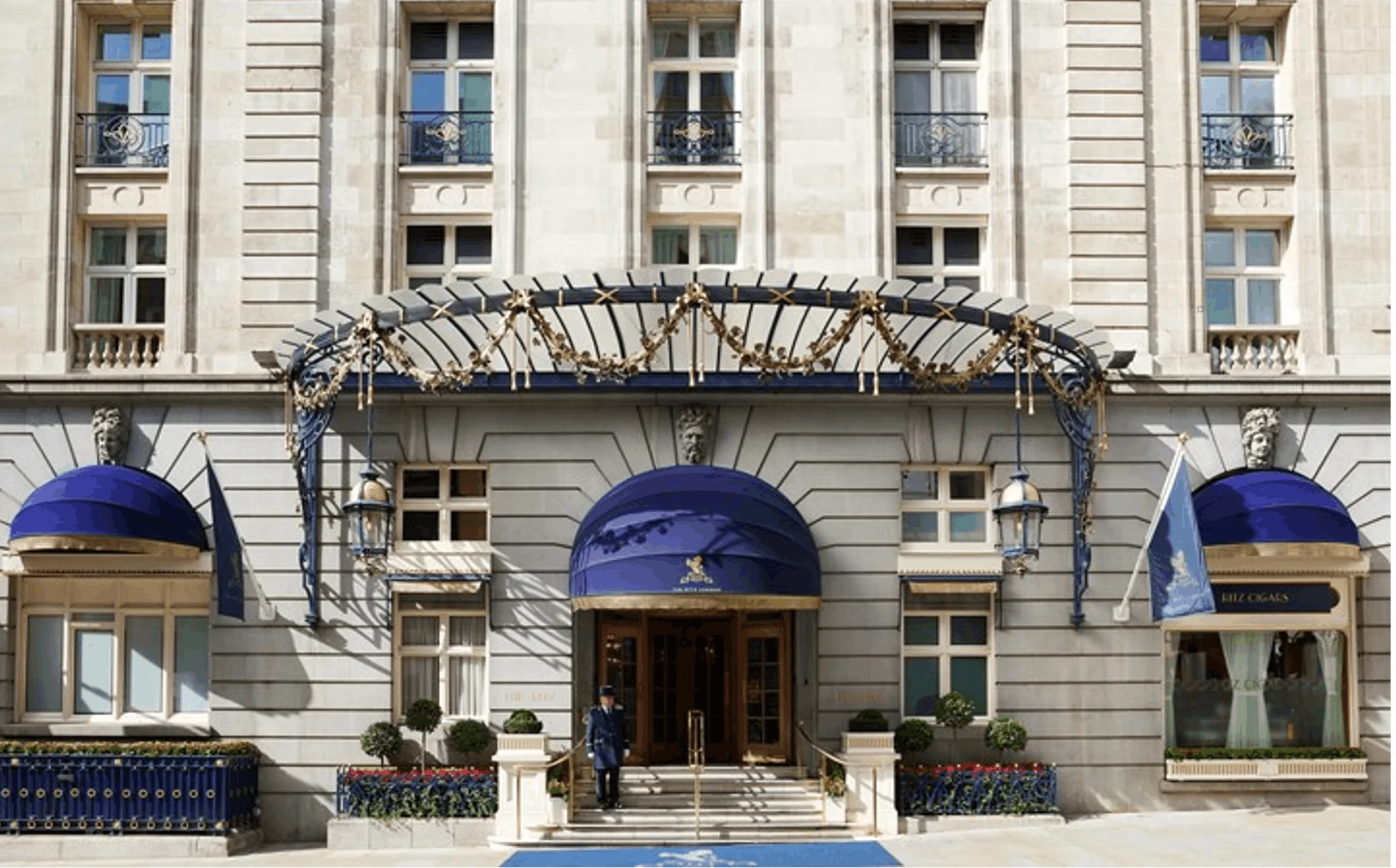
The latter was derived from Ritz hotels, which were considered to be very sophisticated and fashionable, and from this departure point ‘putting on the ritz’ had a variety of meanings, from doing things in a ‘classy’ and expensive manner, to putting your best foot forward in a fashionable sense. What is now the Ritz-Carlton brand hotels are a 5-star group, with Marriott International, but sadly, the moniker 5-star has become a much overused, and indeed one could say serially abused term, especially when looked at in reference to service, not least of which applies in the context of the golf industry, where you will often find a resort, or golf club, promising a ‘5-star golf experience’ to its guests or visitors. As an aside, I never seem to play better than normal on a day offering such an experience, it always seems to be the usual 3-star fare from me and my golf clubs – so much for the advertised promises!
In common usage in this century, the term 5-star seems to mean ‘the best of quality’, and in the hotel industry this is easily identifiable as the rating given to a top-class, or 5-star hotel. However, even here it seems to have become devalued somewhat as you will now often see hotels rated as being 5-star deluxe, 5-star superior, 5-star luxury, or even 5-star superior luxury, and even more recently being referred to as 6, or even 7-star facilities, although these are not recognised by the ratings’ bodies (or some of the facilities themselves), as being official categories.
On visiting the Burj al Arab in Dubai in the mid 2000’s I had previously been told that this was the World’s first ‘7 star’ facility, but the hotel was quick to distance itself from the moniker, which had apparently been made up by a visitor, either from the press or the media after an educational visit to the hotel.
At The top of the officially recognised hotel food chain, would seem to be the 5-star superior luxury properties, where the expectation is for an extremely high level of service, and where the focus will be on the comfort of each individual guest. The key here relates to the service levels, as 5-star hotels in general will offer a very high level of services and facilities as standard. These service levels could well include a butler, which allows for a highly personalised level of attention, a generally better understanding of the highest service levels, the ability to anticipate a guest’s needs, attention to the guest’s personal preferences and predilections (many of the guests will be repeat visitors), from dietary requirements to décor preferences.
The latter can be quite an undertaking for a hotel, and could involve reappointing and decorating a suite in specific colour tones, or changing the entrances into rooms from being square to arches. The details are attended to with the minimum fuss and, in establishments where the balance has been struck perfectly, the effort will be like looking at a swan gliding over a millpond flat expanse of water.
In the very early 1990’s, I travelled out to the Far East as a consultant with one of the national airlines in that region, which was a business client of my company. During the trip one of the many really top-class hotels which accommodated the group was at the Ritz in Taipei (now the Landis) in the Republic of China.
One of my all-time pet hates is the ‘to do’ when you arrive at reception, and the administrative processes still practised by many otherwise top 5-star hotels. The focus in this process seems to be on your passport, address, mother’s maiden name, the inside leg measurement when you were aged 6, etc., rather than in getting you from reception to the comfort of your room, as quickly and efficiently as possible. Twenty-five plus years ago, the Ritz in Taipei got me to my room straight from reception where, in respect of the long flight we had undertaken, the first priority was to check what I would like to eat and drink.
Advertisement
After showering and changing, my food order arrived and then there was a polite knock on the door from a staff member, who had come to check me into the hotel’s official processes in the comfort of my own room! Contrast this experience, to travelling from one 5-star luxury property on the shores of Lake Como, to a sister hotel of a similar rating in Florence, which had been recommended by the Como unit. Having travelled by road for almost seven hours, we were not greeted by the expected and anticipated offer of refreshments as a welcome, but yes you guessed it, the check in administrative process.
I quickly put the reception staff to rights, and the reception protocols in their rightful place, but what made this a particularly irksome experience was that this was a sister hotel to that in which we had just been staying, and yet their processes had not even been able to forward our personal info and dietary requirements on, and so I had to repeat the whole process, including making sure that the hotel understood my mother’s mortal allergy to shellfish.
Whether as a result of this ‘incident’ at reception, for the rest of the stay we were treated like royalty at Villa La Massa (I honestly hope that this level of attention was extended to all the hotel’s guests) during a memorable stay, and later during the week, I struck up a friendship with the hotel restaurant’s Maitre D. In discussing service levels in general, he was sympathetic about our check in experience. He had worked for major hotel groups across Europe, and said that many units were driven by a slavish adherence to the hotel’s, or group’s management manual which, in practical terms, will often mean that the staff are geared to the recommended processes i.e., the ideal time in reception for any guest will 3.5 minutes going through the check-in procedures, followed by 5 minutes arranging luggage to be delivered to the guests’ room or suite, and then 2.5 minutes for a Q&A with the guest about the room’s functions and hotel’s facilities.
He saw that I thought he was joking, and so I was, until he showed me a copy of the staff procedures manual for the ‘really important hotels in the universe group’, or similar chain, to prove his point. All of this slavish adherence to the best management, procedural, accounting, and HR processes, means that the customer often gets completely lost, ergo ‘forgetting’ to ask me at reception, after a seven hours’ journey to get to the hotel, if I would like a drink, or some refreshment! On the up-side, at least now, having been through some hotel groups’ idea of what constitutes service, and how to deliver a 5-star experience, I know exactly what a sausage feels like on its way to being shrink-wrapped, labelled and packaged up ready for the supermarket shelves!
To be continued…
